
Navigating Your Choices: Key Factors in Vessel Chartering for Safe Cargo Delivery
Choosing the right vessel for your cargo is one of the most critical decisions in maritime logistics. Selecting an incompatible ship can lead to operational delays, cargo damage, and inflated costs. To ensure safe and efficient transport, decision-makers must evaluate several core factors before finalizing a vessel charter agreement.
1. Cargo Compatibility and Capacity
The physical and chemical nature of your cargo dictates the vessel type required. Whether dealing with bulk commodities, break-bulk, or specialized goods, the ship’s holds, hatch sizes, and deck strength must accommodate the volume and weight distribution. Ensuring a precise match prevents structural stress on the vessel and protects the cargo from contamination or shifting during transit.
2. Operational Range and Port Restrictions
Not all vessels are suited for every route. Consider the geographic scope of your voyage, including draft limitations at both the load and discharge ports, canal restrictions, and navigational hazards. A vessel with optimal maneuverability and appropriate dimensions ensures seamless port entry and avoids costly lightering or delays.
3. Equipment and Handling Gear
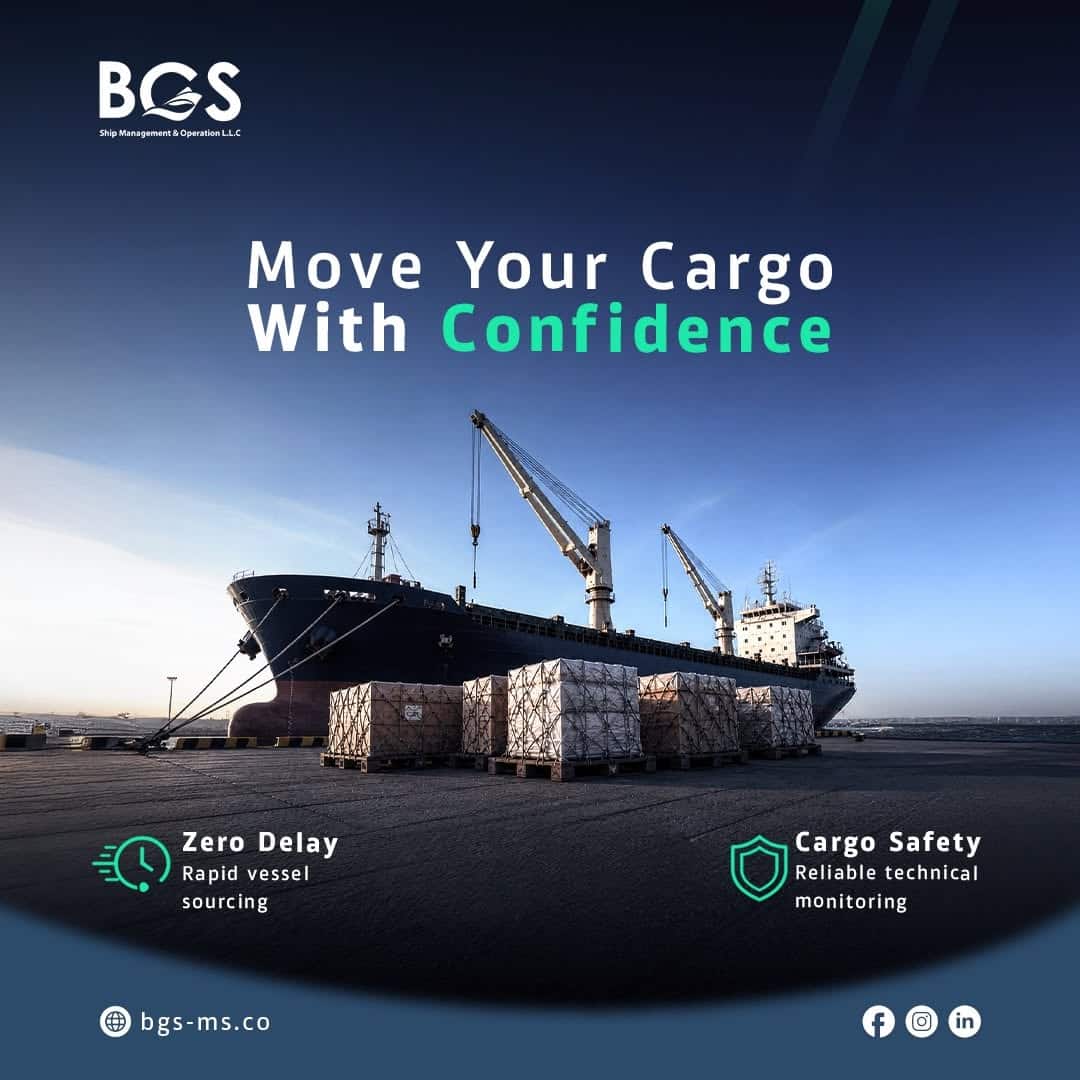
Evaluate the vessel’s onboard infrastructure. Depending on port readiness and cargo requirements, self-sustaining vessels equipped with heavy-duty cranes or specialized pumping systems can significantly reduce turnaround times and eliminate reliance on inadequate shore-side facilities.
4. Regulatory Compliance and Safety Standards
Safety is non-negotiable. Verify that the vessel holds valid class certifications, complies with international maritime regulations, and meets strict environmental standards. Partnering with a trusted ship management provider ensures that the crew’s operational competence aligns with the demands of your specific cargo.
Conclusion
Successful maritime transport relies on strategic alignment between cargo requirements and vessel capabilities. By focusing on technical compatibility, compliance, and operational efficiency, project owners can mitigate risks and secure a seamless delivery.